Çin'den İthalat Nasıl Yapılır? 2026 Güncel Rehber
Çin'den ilk kez ürün ithal edecekler için adım adım rehber. GTİP kodu, gümrük vergisi, tedarikçi bulma ve lojistik süreçlerini anlattık.
How to Import from China? (Complete Import Guide)
China is the world's largest exporter. Importing products from China offers significant cost advantages for Turkish entrepreneurs and businesses; however, if the process is conducted without adequate knowledge, the potential losses can be equally substantial.
In this guide, we explain how to import from China based on our real experiences, what to pay attention to, and which steps to follow.
1. 4 Questions to Ask Before Starting Import
The first thing you need to do when you want to bring products from China is to answer some fundamental questions:
Which product will you import? The clearer you define the product, the easier it will be to find the right supplier.
What is the GTIP code? Customs duties are determined based on this code.
What documents are required? Documents vary depending on the product, such as CE, TSE, and TAREKS.
What will be the minimum order quantity (MOQ)? Chinese factories impose minimum order quantity requirements.
Starting the process without answering these questions sets the stage for serious issues later.
2. GTIP Code: The Foundation of Import
GTIP (Customs Tariff Statistical Position) is a 12-digit code assigned to each product. Customs duties, regulations, and declarations are based on this code.
A wrong declaration of the GTIP code can lead to penalties and delays at customs. You can find your GTIP code through the Ministry of Trade's TAREKS system or via a customs consultant.
3. Finding the Right Supplier
There are millions of manufacturers in China. Finding a reliable manufacturer is the most critical step in importing.
Here are the main ways to find suppliers:
Alibaba and Made-in-China: These are the most common platforms. However, ordering without verification is risky.
Yiwu Market: The world's largest wholesale market for small and medium-sized products.
Direct factory visit: This is the most reliable method. You should never place a large order without seeing the factory with your own eyes.
Local sourcing agent: A partner working on-site in China who speaks Chinese is the fastest and safest solution.
Always check factory documents, references, and sample quality when selecting a supplier.
4. Don't Order Without Seeing a Sample
This point is extremely important. Photos may not reflect reality. The only way to understand the quality of a product is to hold it in your hands.
During the sampling process, pay attention to the following:
Request an official sample from the supplier.
The buyer typically covers the shipping cost.
Examine the sample for size, material, and workmanship.
Request revisions if necessary.
Sign the contract after sample approval.
5. Payment Security
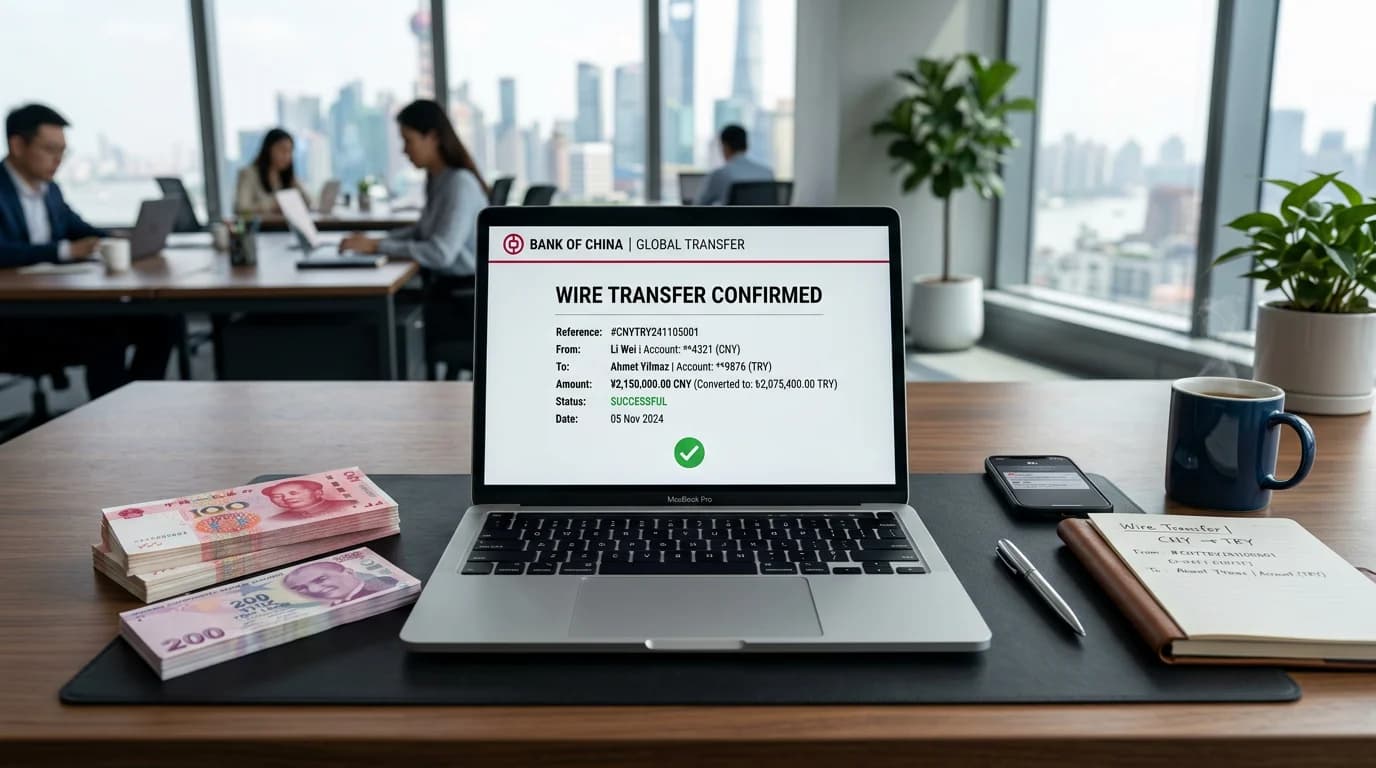
The most common payment method in China is T/T (bank transfer), usually paid as 30% in advance and 70% before shipment.
Using a Letter of Credit (L/C) for large orders reduces risk. If you are purchasing via Alibaba, the "Trade Assurance" system provides certain security.
Important Note: Never make a 100% upfront payment on your first order.
6. Production Tracking and Quality Control
Once you place an order, the job isn't over. Monitoring the production process prevents surprises.
Confirm the production start date.
Request weekly photo updates.
Ensure quality control is conducted before shipment.
Quality control should be performed in three stages: before production, during production, and before shipment. Obtain photo reports at every stage.
7. Logistics: Which Route to Choose?
There are three ways to transport products from China to Turkey:
Sea freight: Takes 20–35 days and is the most economical option. Ideal for bulky and heavy products.
Air freight: Takes 3–7 days and is expensive. Suitable for small and urgent orders.
Road transport: Takes 10–15 days and has moderate costs. Preferred, especially for routes passing through Central Asia.
The most common sea route to Turkey is: Yiwu → Shanghai → Istanbul/Mersin
8. Customs Process
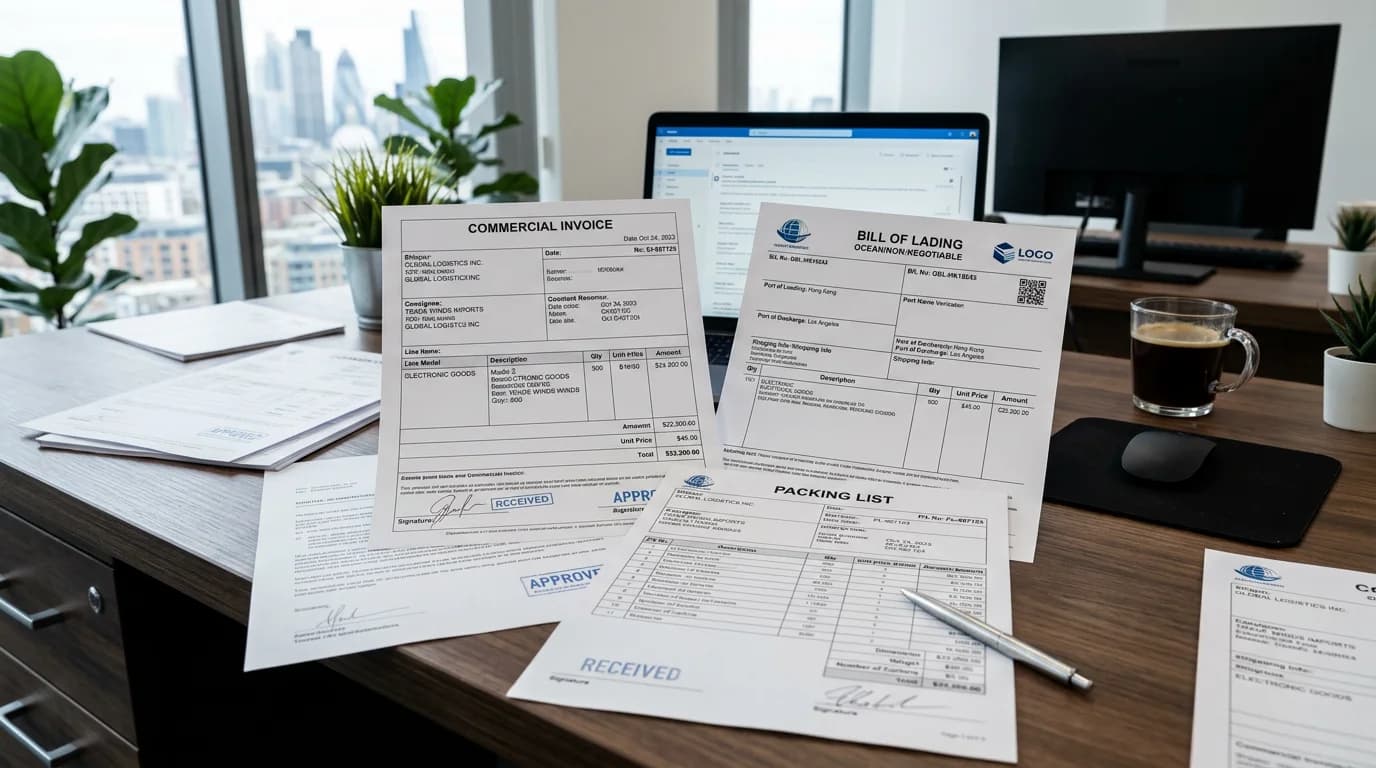
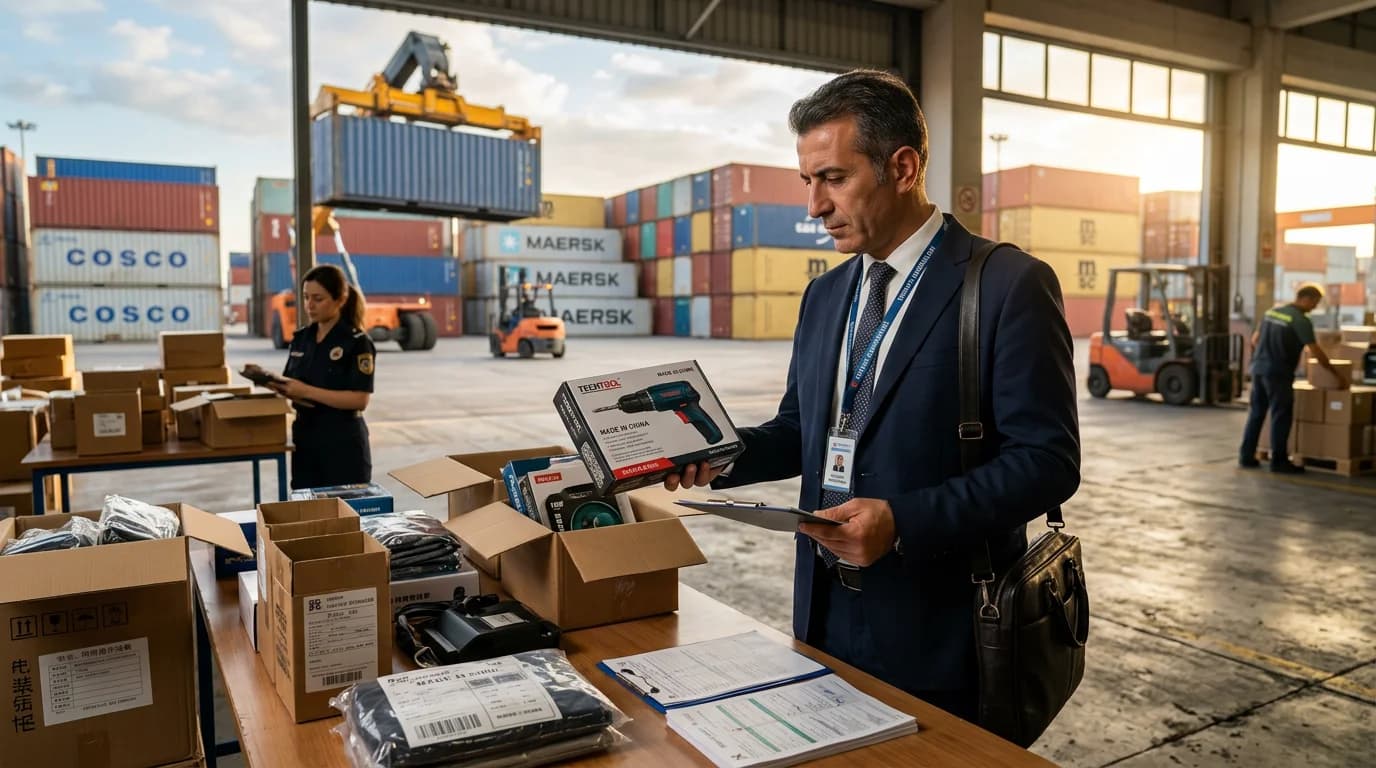
The customs process begins when the products arrive at a Turkish port. The following documents are required during this process:
Commercial Invoice
Bill of Lading
Packing List
Certificate of Origin
Declarations are submitted through a customs consultant, taxes are calculated based on the GTIP code, and products are released from customs after payment is made.
5 Most Common Mistakes
Ordering without receiving a sample
Incorrectly declaring the GTIP code
Skipping quality control
Working without a contract
Becoming dependent on a single supplier
Conclusion
Importing from China can provide your business with a significant competitive advantage when done correctly. However, due to language barriers, geographical distance, and bureaucratic processes, this process can seem complex.
Working with a sourcing team that knows Chinese and operates on-site in Yiwu eliminates a large part of these risks. You can request a free consultation to take the first step.
Bu süreci sizin için yönetelim.
Ücretsiz danışmanlık görüşmesi için bize ulaşın.